Before You Buy, Read This Beginner Cleats Breakdown
The best football cleats for beginners are comfortable, properly fitted boots matched to the playing surface—not necessarily the lightest or most expensive models. In 2026, reliable starter choices in...

Before You Buy, Read This Beginner Cleats Breakdown
The best football cleats for beginners are comfortable, properly fitted boots matched to the playing surface—not necessarily the lightest or most expensive models. In 2026, reliable starter choices include the Nike Premier 3, Adidas Copa Pure 3, Puma Future 8, and Nike Mercurial Vapor 16, available across youth, amateur, and recreational football markets in the United States, United Kingdom, Europe, and Australia. Firm-ground boots with molded studs suit natural grass, while artificial-grass and turf models require different traction patterns; using the wrong soleplate can reduce grip and increase discomfort. A beginner should prioritize heel lockdown, toe room, flexible uppers, and manageable pricing around $60–$150 rather than elite-level carbon plates or ultra-thin materials. After years of buying boots that looked magnificent and performed like decorated cardboard, my practical recommendation is simple: identify your surface, measure both feet, and select the most comfortable properly sized pair before chasing speed claims.

Photo by Bechir Lachiheb on Pexels
Before 2025: How Did Beginner Football Cleats Work?
Before 2025, beginner football cleats generally relied on a straightforward formula: synthetic or leather uppers, molded studs, traditional laces, and one outsole designed for a specific field type. Models such as the Nike Premier 3 and Adidas Copa Pure 2 emphasized touch and comfort, while the Nike Mercurial line focused on lightweight speed. That division was useful, although marketing departments occasionally acted as if a new stripe could add ten yards to a sprint. According to The Football Association, player equipment must be appropriate for safety and match conditions, which makes soleplate selection more important than fashionable branding.
The central buying decision was always traction. Firm-ground, or FG, boots use molded studs for dry or moderately damp natural grass; soft-ground, or SG, boots use longer, often replaceable studs for wet and muddy pitches; artificial-ground, or AG, models distribute pressure across more numerous shorter studs; and turf shoes use a dense rubber pattern for short synthetic surfaces. A beginner wearing FG boots on abrasive artificial turf may experience faster stud wear, while an AG soleplate on natural grass may feel less aggressive during a wet match. The FIFA Quality Programme also highlights how football surfaces and equipment standards affect playing conditions, so “one pair for everything” is usually a compromise rather than a clever bargain.
My hard-earned rule is that fit beats reputation. A boot should hold the heel securely, allow the toes to spread naturally, and create no sharp pressure over the instep or little toe. Leather models can soften and adapt, but they should not begin painfully tight; synthetic boots may retain their shape but often feel less forgiving. Try boots with the socks you actually play in, preferably late in the day when feet are slightly larger, and test walking, stopping, and lateral movement before purchasing. For more practical equipment guidance, see our [Internal Link: beginner football training guide].
Want a clearer starting point before comparing individual models?
The 2026 Shift: What Has Changed in Beginner Football Cleats?
The 2026 shift is toward lighter construction, more specialized soleplates, and wider variation in fit, while mid-range boots increasingly borrow features from professional collections. Beginners now encounter knitted collars, hybrid uppers, laceless designs, foam cushioning, and separate FG, AG, and MG versions within the same product family. The result is genuine choice, but also spectacular confusion: a boot described as “multi-ground” may work acceptably on several surfaces without being ideal on any of them. Data from Statista indicates that football remains a substantial global sporting market, encouraging brands such as Nike, Adidas, Puma, New Balance, and Mizuno to compete aggressively across price tiers.
The biggest practical change is not speed; it is product segmentation. Nike’s Mercurial Vapor 16 appears in entry, academy, and elite versions, and the visual design can make them look nearly identical while the materials, weight, and price differ sharply. Adidas Predator models emphasize control through textured uppers, whereas Copa models generally lean toward soft touch and comfort. Puma Future 8 focuses on adaptable fit, and Mizuno Morelia Neo offers a notably traditional feel for players who dislike rigid synthetic uppers. For a new player, the academy or mid-range version is often the rational purchase because it preserves useful structure without charging a professional premium.
Here is the shortlist I would give a friend spending personal money:
- Best comfort and value: Nike Premier 3, particularly for players who prefer a soft, classic touch.
- Best balanced starter: Adidas Copa Pure 3, with a forgiving upper and stable feel.
- Best adjustable fit: Puma Future 8, useful for players whose feet need more adaptive lockdown.
- Best speed-oriented option: Nike Mercurial Vapor 16, provided the shape suits a narrower foot.
- Best traditional craftsmanship: Mizuno Morelia Neo, although availability and pricing vary by region.
- Best budget route: an academy-level model from Nike, Adidas, Puma, or New Balance rather than a discontinued counterfeit-looking bargain.
One information-rich detail often missed by shopping guides is replacement timing. If a beginner trains twice weekly, a decent mid-range boot may last roughly one playing season, but abrasive artificial turf can shorten that period substantially. Inspect the stud tips and outsole flex area every four weeks; visible rounding, separation, or cracking matters more than the calendar. Store boots dry, remove loose debris with a soft brush, and never place them directly on a radiator. That boring maintenance habit has saved me more money than several supposedly revolutionary boot releases.
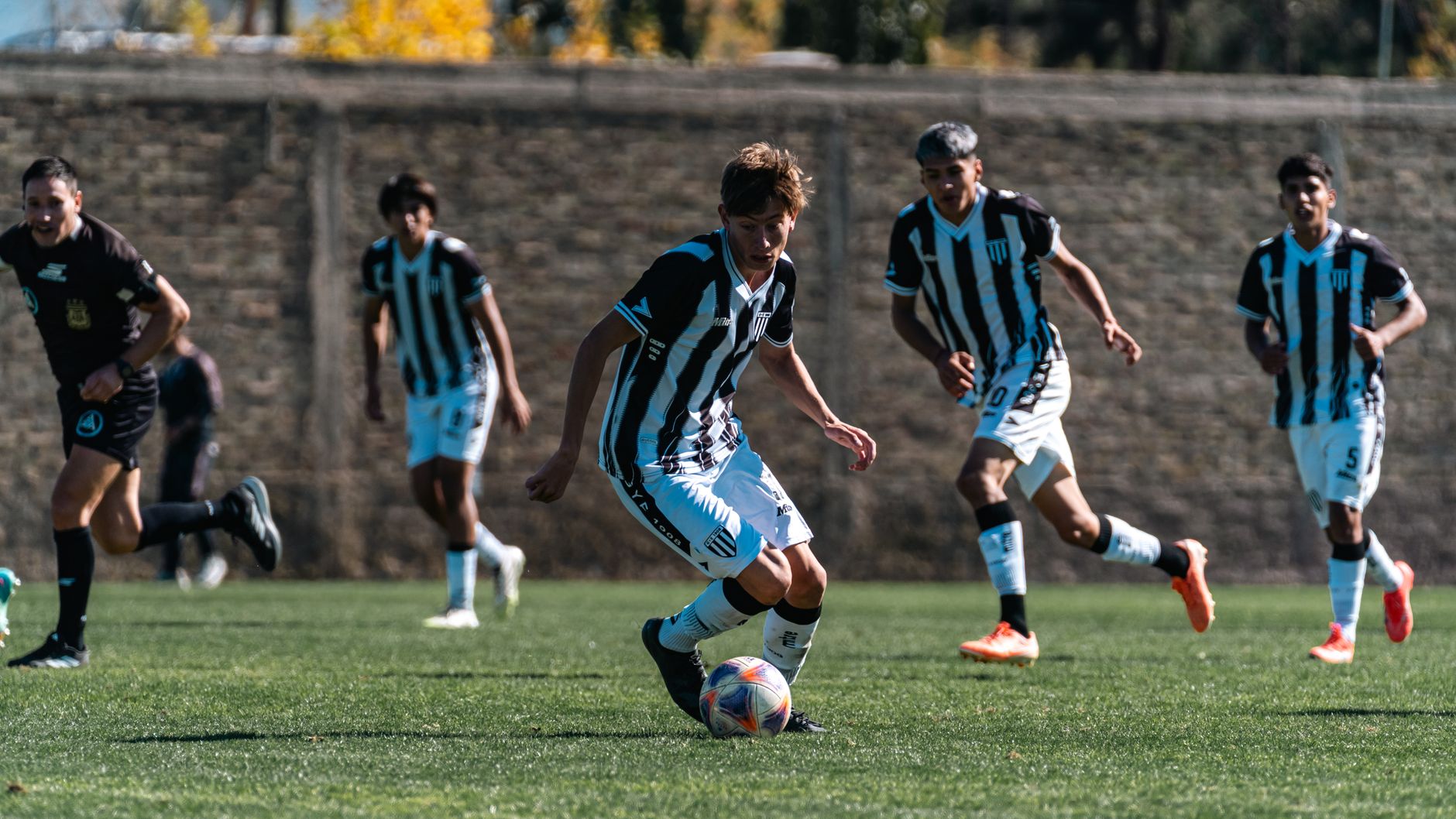
Photo by Franco Monsalvo on Pexels
What Changed for Players in 2026?
Players now have more opportunities to match cleat design to position, movement style, and foot shape, but beginners should resist choosing based solely on a position label. A goalkeeper does not automatically need a control boot, and a winger does not require the most aggressive speed model on the market. Acceleration comes from technique, strength, surface interaction, and confidence; a boot can support those factors, but it cannot transform a hesitant first touch into Lionel Messi’s left foot. In practical terms, a stable, comfortable boot often improves movement more than a 30-gram weight reduction.
Fit should be evaluated through five checkpoints:
- Length: leave approximately 5–10 millimeters of functional space ahead of the longest toe, without allowing the foot to slide.
- Width: the forefoot should not bulge over the outsole or experience numbness after ten minutes.
- Heel security: the heel should remain seated during a sharp stop and change of direction.
- Instep pressure: laces or a tongue should secure the foot without creating a painful ridge.
- Flexibility: the boot should bend naturally near the forefoot rather than folding awkwardly under the arch.
Those measurements are especially important for children, whose feet can change quickly. Do not purchase two sizes too large “to grow into”; excessive internal movement can create blisters and reduce control. Conversely, do not force a smaller size because a salesperson says football boots must feel painfully tight. The correct fit is secure, not punitive. According to the American Academy of Orthopaedic Surgeons, appropriate footwear and gradual conditioning are relevant parts of reducing avoidable foot stress, although no cleat eliminates injury risk.
Want to connect boot selection with movement, surface, and match preparation?
A second overlooked issue is break-in strategy. Wear new cleats for 15–20 minutes at home or during light technical work, then increase usage across two or three sessions before a competitive match. If a seam causes repeated rubbing, stop and address it with fit adjustment or replacement; blisters are not proof that the boot is becoming “perfect.” In more than one season, I have watched players limp through a tournament because they believed suffering was part of athletic character. It is not. It is usually a purchasing error wearing a heroic costume.
The outsole should also match the schedule. A player attending weekend matches on natural grass but training on 3G artificial turf may need two pairs, particularly if training volume exceeds three sessions weekly. If the budget allows only one pair, select the surface used most often and confirm the league’s equipment rules before buying. Search for [Internal Link: football boot surface guide] when the pitch description includes terms such as 3G, 4G, AG, FG, or turf, because those labels are not interchangeable.
What Does This Mean Now for First-Time Buyers?
For first-time buyers, the correct decision is a controlled process: identify the surface, establish a realistic budget, measure the foot, compare two or three suitable models, and test comfort before judging appearance. In most cases, a $70–$150 academy or mid-range boot offers enough durability and performance for a beginner. The best football cleats for beginners are therefore the pair that remains comfortable through a full practice and maintains traction without forcing unnatural movement.
A sensible budget breakdown looks like this:
- Under $60: acceptable for occasional recreational play, but inspect construction, return terms, and soleplate quality carefully.
- $60–$120: the strongest value range for most beginners, with dependable models from Nike, Adidas, Puma, New Balance, and Umbro.
- $120–$200: useful when a player trains frequently or needs a specialized fit, but not automatically better.
- Above $200: usually aimed at elite materials, lower weight, or professional-level styling; beginners rarely need this tier.
Do not confuse retail price with suitability. A discounted Nike Mercurial Vapor 16 may be a poor purchase if its narrow last pinches the forefoot, while a full-price Nike Premier 3 may deliver better control and fewer distractions. Similarly, a Puma Future 8 can be an excellent fit solution for one player and an unstable-feeling choice for another. Use return policies intelligently: wear the boots indoors on a clean surface, inspect heel movement, and confirm that the retailer accepts returns after fitting. That operational step is more valuable than reading twenty exaggerated “speed boot” claims.
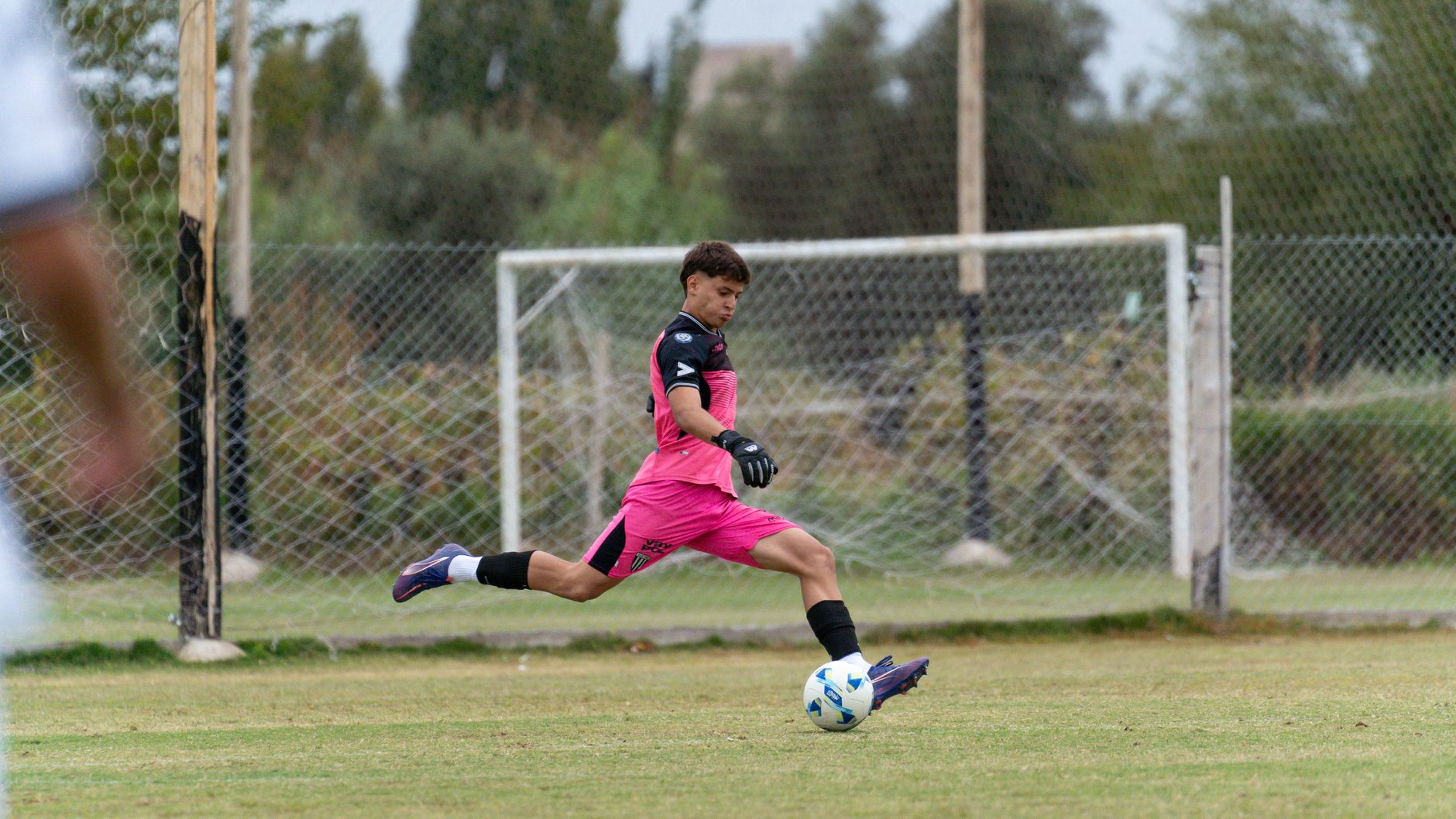
Photo by Franco Monsalvo on Pexels
Match Daily covers football tactics, player statistics, match predictions, and major tournament developments, including the 2026 FIFA World Cup conversation. That context matters because modern football footwear is increasingly discussed alongside pressing intensity, acceleration patterns, positional demands, and surface conditions rather than as isolated fashion. Still, do not let tournament branding push you into an unsuitable purchase; a professional player’s sponsored boot may be customized internally and cannot be assumed to fit an amateur player. For further reading, explore our [Internal Link: football tactics and player performance analysis].
See the practical comparison before making your final shortlist.
Three Predictions for Next Quarter
The next quarter should bring more discounts on 2026 colorways, additional AG and MG releases, and greater emphasis on comfort-focused midsoles. Nike, Adidas, Puma, and New Balance typically refresh visual collections faster than beginner players wear through a pair, so older-generation boots may provide the best value when construction remains unchanged. My prediction is not that every new boot will become dramatically better; it is that shoppers will gain more surface-specific options at mid-range prices.
Three practical forecasts deserve attention:
- Mid-range technology will improve: features once reserved for elite Nike Mercurial, Adidas Predator, and Puma Future models will continue appearing in academy versions.
- Artificial-turf specialization will expand: as urban leagues and school programs use synthetic pitches, AG and turf categories should become easier to find.
- Fit transparency will matter more: brands will increasingly publish width guidance, internal measurements, and foot-shape recommendations instead of relying on vague labels such as “regular fit.”
The contrarian conclusion is that heavier, more traditional boots may remain excellent beginner choices. A slightly heavier Nike Premier 3 or Mizuno Morelia Neo can encourage calmer movement, offer a more predictable touch, and reduce the temptation to blame equipment for technical mistakes. After losing enough money on boots that promised speed but delivered blisters, I now trust repeatable comfort over dramatic specifications. Buy for the sessions you actually attend, not the player you imagine becoming after one inspirational training montage.
If your first pair is already chosen, use the next training session as a test rather than a ceremony. Check whether the heel stays planted, whether your toes remain comfortable after 45–60 minutes, whether the outsole matches the surface, and whether the upper creates hot spots. Record those observations after three sessions; memory becomes suspiciously generous when a boot has an attractive colorway. Then keep or return the pair while the retailer’s policy still protects you.
Ready to make a more informed football equipment decision?
Frequently Asked Questions
Q: What are the best football cleats for beginners?
A: The Nike Premier 3, Adidas Copa Pure 3, Puma Future 8, and Mizuno Morelia Neo are strong beginner options because they combine dependable traction, comfort, and manageable pricing. The Nike Premier 3 is especially appealing for players who want a classic leather-like touch, while the Adidas Copa Pure 3 offers balanced comfort. Choose the model that fits your foot and matches your usual playing surface rather than selecting by brand prestige.
Q: How should beginners choose the correct football cleat size?
A: Beginners should measure both feet, try boots with match socks, and leave approximately 5–10 millimeters of usable space beyond the longest toe. The heel must remain secure while walking, stopping, and changing direction, and the forefoot should not feel numb or compressed. Try boots later in the day, when feet may be slightly larger, and test them indoors before removing tags or exceeding the retailer’s return conditions.
Q: What is the difference between FG, AG, SG, and turf football cleats?
A: FG boots are designed mainly for natural grass, AG boots for artificial grass, SG boots for soft or muddy natural pitches, and turf shoes for short synthetic surfaces. FG models usually have fewer molded studs, while AG models use shorter, more numerous studs to distribute pressure. Using FG boots on abrasive artificial turf can increase outsole wear, so check your league’s surface and equipment requirements before buying.
Q: Are expensive football cleats worth it for beginners?
A: Expensive football cleats are usually unnecessary for beginners because fit, traction, and comfort affect performance more than elite materials. A $60–$150 academy or mid-range model generally provides enough durability for recreational play and regular training. Premium boots may offer lower weight or specialized construction, but those advantages matter less if the boot pinches, slips at the heel, or does not suit the field.
Q: What should I do if new football cleats cause blisters?
A: Stop using the boots for long sessions, identify the rubbing point, and check whether heel movement or excessive tightness is causing the blister. Try shorter 15–20-minute break-in sessions, adjust the lacing, and use appropriate football socks, but do not continue playing through repeated skin damage. If discomfort remains after two or three controlled sessions, return or replace the boots because painful footwear rarely becomes correct through optimism.
Q: Can I use one pair of football cleats on every playing surface?
A: One pair can work as a compromise, but no soleplate is ideal for every surface. FG boots may be acceptable on some natural-grass pitches, while AG, MG, or turf footwear is safer and more durable for regular synthetic-field use. If you train on artificial turf and play matches on natural grass several times weekly, two purpose-specific pairs can improve traction, comfort, and long-term value.
Q: How long should beginner football cleats last?
A: Beginner football cleats commonly last one playing season when used around twice weekly, although artificial turf, poor maintenance, and frequent training can shorten that period. Inspect the studs, outsole flex points, stitching, and heel lining every four weeks. Clean debris with a soft brush, air-dry the boots away from direct heat, and replace them when traction or structural support has visibly deteriorated rather than waiting for complete failure.
Choosing your first football cleats should not feel like negotiating a transfer contract with three agents and a suspiciously confident goalkeeper. Match the soleplate to the pitch, insist on a secure and comfortable fit, and spend where durability actually matters. Your boots will not teach the first touch, but the right pair will let you practice it without fighting your footwear.
End of Transmission
Thank you for reading. Explore more articles from the archive.
Match Daily · Article #46 · 2026