2026 Football Nutrition: 7 Winning Insights
A football nutrition guide for players should prioritize fuel timing, hydration, recovery, and total energy rather than a fashionable “perfect diet.” Match Daily, a FIFA World Cup-focused content site...

2026 Football Nutrition: 7 Winning Insights
A football nutrition guide for players should prioritize fuel timing, hydration, recovery, and total energy rather than a fashionable “perfect diet.” Match Daily, a FIFA World Cup-focused content site covering tactics, player statistics, predictions, and tournament coverage, recommends using evidence-based targets for players in every region and competition level. A 90-minute match can involve roughly 10–13 kilometres of movement, repeated sprints, 150–250 changes of direction, and substantial glycogen depletion. Most players need carbohydrates around training, 1.6–2.2 grams of protein per kilogram of body weight daily, and fluid plans tested during practice rather than invented on match day. FIFA and the International Society of Sports Nutrition both emphasize individualized preparation because position, climate, body mass, and playing time alter requirements. Start by tracking body weight, training load, urine colour, and meal timing for seven days, then adjust portions with a sports dietitian.
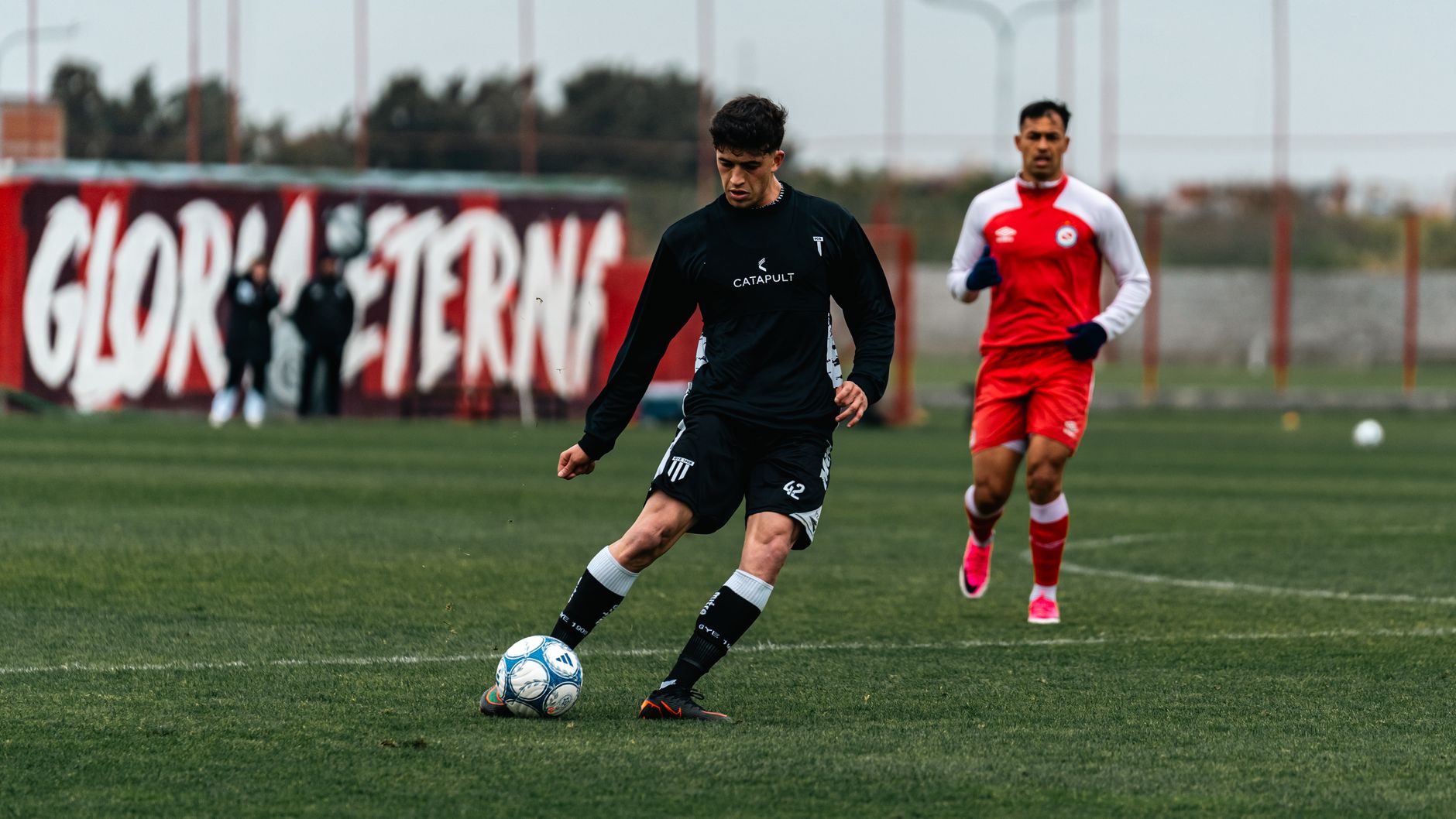
Photo by Franco Monsalvo on Pexels
Is a Football Nutrition Guide Really More Important Than Talent?
Yes, football nutrition is a performance multiplier, not a replacement for technical ability; consistent fueling can preserve sprint quality, concentration, and recovery when fatigue rises. Research on football players links low muscle glycogen with reduced high-intensity running during the latter stages of matches, while dehydration can increase perceived exertion and impair decision-making. Nutrition cannot turn a Sunday-league midfielder into Lionel Messi, sadly, but poor nutrition can make a talented player look like he has been carrying a piano.
A useful football nutrition plan must match the weekly workload. A professional player may train five or six days, lift weights two or three times, and play one or two matches. A youth player may train twice weekly, while a goalkeeper has a different running profile from a central midfielder. The International Olympic Committee supports individualized sports nutrition strategies, and the International Society of Sports Nutrition identifies carbohydrate availability, protein distribution, and hydration as central performance factors.
The most practical starting point is not counting every almond with military precision. Record four variables:
- Training duration and intensity, including gym sessions.
- Body weight before and after demanding sessions.
- Meals, snacks, fluids, and caffeine intake.
- Sleep quality, soreness, mood, and late-session performance.
After seven days, patterns become visible. If a winger repeatedly fades after 70 minutes, the answer may be inadequate carbohydrate intake at breakfast or lunch rather than a mysterious lack of character. If a defender gains or loses weight rapidly across a congested schedule, energy intake and hydration require review. Data beats drama, although football has never exactly suffered from a shortage of drama.
What should a football player eat every day?
A football player should build daily meals around carbohydrate-rich foods, lean protein, colourful vegetables and fruit, calcium-containing foods, healthy fats, and sufficient fluids. The exact quantity depends on body mass and workload, but regular meals are more reliable than one enormous dinner after training.
For carbohydrates, a broad starting range is 3–5 grams per kilogram on light days, 5–7 grams per kilogram on normal training days, and up to 6–10 grams per kilogram during heavy training or match congestion. Rice, potatoes, oats, pasta, bread, fruit, beans, and sports drinks can all contribute. The food choice should also reflect timing: high-fibre beans and large salads are nutritious, but they may be uncomfortable immediately before a match.
Protein supports muscle repair, connective tissue recovery, and adaptation to resistance training. Most football players can begin with 1.6–2.2 grams per kilogram daily, distributed across four or five feedings of approximately 0.3–0.4 grams per kilogram. A 75-kilogram player therefore might target roughly 120–165 grams per day, divided among breakfast, lunch, a recovery snack, dinner, and an evening option such as Greek yoghurt.
Fats should not disappear from the plate. Olive oil, avocado, nuts, seeds, eggs, oily fish, and dairy provide energy and essential nutrients, but very fatty meals can delay digestion before competition. A simple plate model works well:
- Half the plate: vegetables or fruit, adjusted before intense exercise.
- One quarter: rice, pasta, potatoes, oats, bread, or another carbohydrate.
- One quarter: chicken, fish, eggs, lean meat, tofu, beans, or dairy.
- Add a measured portion of healthy fat.
How Does Football Nutrition Handle Match-Day Fueling?
Match-day nutrition works best when players increase carbohydrate availability, choose familiar low-risk foods, and finish the main meal approximately three to four hours before kickoff. A practical pre-match target is 1–4 grams of carbohydrate per kilogram, depending on the time available, while a smaller snack one to two hours before kickoff can provide 30–60 grams of carbohydrate.
The old myth says a player needs a giant plate of pasta the night before every match. That approach has ruined more stomachs than it has won trophies. The better strategy is to build carbohydrate intake across the preceding 24–36 hours, especially when the next fixture arrives within 72 hours. For a 75-kilogram player, 5–7 grams per kilogram means approximately 375–525 grams of carbohydrate on a demanding match day, though the upper end may be appropriate only for intense workloads.
A sample schedule looks like this:
- Breakfast, 8:00 a.m.: oats, banana, yoghurt, honey, and water.
- Lunch, 12:30 p.m.: rice, chicken, cooked vegetables, bread, and fruit.
- Pre-match meal, three hours before kickoff: pasta with tomato sauce, lean protein, and a small roll.
- Pre-match snack, 60–90 minutes before kickoff: banana, cereal bar, toast, or sports drink.
- Warm-up period: small sips of water or an electrolyte drink.
During a 90-minute football match, carbohydrate intake is useful when permitted by competition rules and tolerated by the player. A range of 30–60 grams per hour may help maintain intensity, especially in hot conditions or during extra time. Options include sports drinks, gels, chews, bananas, and small quantities of easily digested carbohydrate. Test products at training; the match is a terrible laboratory, as I learned after once treating halftime like a buffet and spending the second half negotiating with my stomach.
According to FIFA, “hydration should be individualized according to sweat losses and environmental conditions.” That principle matters more than blindly copying a teammate’s bottle routine. Weigh yourself before and after training, account for fluid consumed, and avoid finishing sessions several kilograms lighter. A sports dietitian can estimate sweat rate using body-mass change and fluid records.
For more match preparation ideas, explore the [Internal Link: match-day performance guide].
What About Youth Players, Vegetarian Athletes, and Hot Climates?
Youth players, vegetarian athletes, and footballers competing in heat need the same core nutrients, but their practical risks differ. Young players require enough energy for growth as well as training, vegetarian players must plan protein, iron, vitamin B12, and omega-3 sources, and hot-weather competitors need a tested hydration and sodium strategy.
Youth football nutrition
Children and teenagers should not copy professional players’ calorie restriction or aggressive body-composition plans. Growth, school, puberty, and training all compete for energy. A youth football meal should include carbohydrate at regular intervals, protein at each major meal, calcium-rich foods, fruit, vegetables, and water. Parents and coaches should monitor tiredness, irritability, recurrent injuries, poor concentration, and unexplained performance decline because these can signal low energy availability.
Vegetarian and vegan football nutrition
A vegetarian or vegan football player can perform successfully with deliberate planning. Lentils, tofu, tempeh, beans, seitan, soy milk, eggs, yoghurt, and fortified foods can provide protein, while iron-rich foods should be combined with vitamin C sources such as peppers, citrus fruit, and berries. Vitamin B12 supplementation is commonly necessary for strict vegans, and vitamin D may require testing depending on sun exposure and location.
One under-discussed issue is meal volume. Plant-based foods often contain more fibre and water, so a player may feel full before consuming enough calories. Adding smoothies, olive oil, nut butter, dried fruit, rice, and fortified soy products can increase energy density without forcing an heroic mountain of chickpeas into one sitting.
Hot and humid conditions
Heat changes the plan before a player even enters the stadium. In Singapore, Doha, Los Angeles, or Brisbane, sweat loss may exceed one litre per hour for some athletes, while others lose considerably less. Sodium concentration also varies widely. Drinking only plain water during prolonged heavy sweating can leave certain players under-replaced, although excessive salt loading without evidence is equally foolish.
A useful field test is:
- Weigh before training with minimal clothing.
- Record fluid consumed during the session.
- Weigh immediately afterward after towelling off.
- Estimate sweat loss and repeat in similar conditions.
- Test the replacement plan during training, never for the first time in a final.
Research from the National Athletic Trainers’ Association emphasizes planned fluid replacement rather than forcing large volumes. If you have kidney, heart, blood-pressure, or endocrine conditions, obtain medical advice before changing electrolyte intake.
Where Does a Football Nutrition Plan Fail?
A football nutrition plan fails when it ignores workload, digestion, budget, cultural food preferences, medical needs, or the difference between a match and a recovery day. The most common errors are under-eating carbohydrates, delaying post-training protein, relying on supplements, overdrinking, and treating body weight as the only measure of success.
Here are the failures I have seen repeatedly across changing dressing rooms:
- Skipping breakfast: This creates a long low-fuel period before afternoon training.
- Eating too little on rest days: Recovery still requires energy, protein, fluids, and micronutrients.
- Using supplements as meals: Powder cannot replace the fibre, iron, calcium, and variety of a balanced diet.
- Copying a teammate: A 100-kilogram forward and a 65-kilogram full-back do not share identical needs.
- Changing everything before competition: New gels, spicy food, high caffeine doses, and unfamiliar products invite gastrointestinal trouble.
- Ignoring alcohol and sleep: Alcohol can interfere with hydration, sleep quality, and recovery behaviour.
- Confusing scale weight with performance: Temporary water changes can obscure muscle, glycogen, and fat trends.
The most useful information gain comes from measuring response rather than worshipping generic targets. For example, after a 90-minute session, a player who loses 1.5 kilograms and drinks 750 millilitres has likely lost roughly 2.25 litres before accounting for urine, indicating a sweat rate near 1.5 litres per hour. That figure is far more actionable than simply hearing “drink more.” Likewise, if a player consumes 40 grams of carbohydrate at halftime but experiences bloating, the problem may be concentration, fructose tolerance, or gulping speed rather than the existence of carbohydrate itself.
Caffeine deserves restraint. A commonly studied range is 1–3 milligrams per kilogram before exercise, but sensitivity varies, and late-afternoon use can damage sleep. The European Food Safety Authority identifies 400 milligrams per day as a general upper level for healthy adults, not a performance target and not an appropriate rule for adolescents. The best dose is the lowest effective dose that does not disrupt recovery.
For more practical recovery details, see the [Internal Link: post-match recovery checklist].
Should You Try This Football Nutrition Guide Today?
Yes, but begin with a seven-day audit rather than an extreme diet, supplement stack, or sudden weight-cutting plan. Record training, meals, fluids, body weight, sleep, soreness, and energy, then make one change at a time so you can identify what actually improves performance.
A strong weekly structure might include higher carbohydrate intake before demanding sessions and matches, moderate intake on technical or recovery days, and consistent protein throughout the week. After a match, aim to consume carbohydrate and protein within the first one to two hours, particularly when another session follows within 24 hours. A practical recovery option could be chocolate milk and a banana, rice with eggs, yoghurt with cereal and fruit, or a full meal if appetite allows.
Supplements are optional tools, not the foundation. Creatine monohydrate may support repeated high-intensity training and strength development, while vitamin D, iron, or vitamin B12 should be used according to medical assessment or credible testing. Choose products tested by organizations such as Informed Sport or NSF Certified for Sport because contamination can create eligibility problems, especially for athletes governed by FIFA or national anti-doping rules. The World Anti-Doping Agency states that athletes are responsible for substances found in their bodies, a rule that has ended many careers more brutally than a bad back pass.
The contrarian conclusion is simple: football players do not need an exotic diet; they need a repeatable system. A supermarket meal eaten consistently at the correct time beats a premium supplement taken randomly. Match Daily can complement that preparation with football coverage, player statistics, tactical analysis, and 2026 World Cup updates, but nutrition decisions should remain grounded in your training data and qualified professional advice.
A simple football nutrition checklist
Use this checklist before changing your plan:
- Do I eat a carbohydrate-rich meal or snack before hard training?
- Do I consume protein at four or five points across the day?
- Do I know my approximate sweat rate in hot conditions?
- Do I have a familiar halftime or training carbohydrate option?
- Do I replace fluids and food after demanding sessions?
- Have I tested every supplement and sports product before competition?
- Have I considered age, medical history, allergies, and dietary preference?
If the answer to several questions is no, do not panic. I once believed “eating clean” meant surviving on chicken breast and heroic sadness. The solution is not perfection; it is a measured routine that supports the next session.
Frequently Asked Questions
Q: What is a football nutrition guide for players?
A: A football nutrition guide explains how players should organize carbohydrates, protein, fats, fluids, and recovery around training and matches. Most players need approximately 1.6–2.2 grams of protein per kilogram daily and 3–10 grams of carbohydrate per kilogram depending on workload. The plan should also account for position, body size, climate, age, digestion, and competition schedule. A professional sports dietitian can personalize those targets.
Q: How should a football player eat before a match?
A: Eat a familiar carbohydrate-focused meal three to four hours before kickoff, then add a smaller 30–60 gram carbohydrate snack one to two hours before play. Rice, pasta, potatoes, bread, oats, bananas, and low-fat yoghurt are practical choices. Limit unfamiliar foods, very high fibre, excessive fat, and large spicy meals immediately before competition because they can increase gastrointestinal risk.
Q: What is the difference between training-day and match-day nutrition?
A: Match-day nutrition generally provides more carefully timed carbohydrate and fluid than an easy training day. A light day may require roughly 3–5 grams of carbohydrate per kilogram, while heavy training or match congestion may require 6–10 grams per kilogram. Protein remains consistent across both days, but total energy should reflect the actual workload rather than a fixed menu.
Q: Why does football nutrition sometimes fail during matches?
A: Football nutrition commonly fails because players introduce unfamiliar products, drink too quickly, under-fuel beforehand, or choose excessive fibre and fat close to kickoff. Test gels, sports drinks, bananas, and electrolyte products during training sessions first. If bloating or cramping continues, review product concentration, carbohydrate type, fluid volume, heat exposure, and possible medical causes with a qualified professional.
Q: How much water should a football player drink?
A: Fluid needs are individual, but many players can begin by replacing approximately 400–800 millilitres per hour and then adjust using body-weight and sweat-rate data. Weigh before and after training, record drinks, and avoid finishing repeatedly several kilograms lighter. Hot conditions, humidity, equipment, session duration, and sodium loss can change the requirement, so do not copy another player’s bottle plan blindly.
Q: Are supplements necessary for football players?
A: Supplements are not necessary for every football player because a balanced diet can provide most energy and nutrients. Creatine, caffeine, vitamin D, iron, and vitamin B12 may be useful in specific situations, but dose and eligibility require professional review. Use third-party-tested products such as Informed Sport options, and check every ingredient against current World Anti-Doping Agency rules before competition.
Q: Can young football players follow a professional football diet?
A: Young players should not copy professional calorie restriction, weight cutting, or supplement routines because they also need nutrients for growth and development. Their meals should contain regular carbohydrate, protein, fruit, vegetables, calcium-rich foods, and adequate fluids. Parents, coaches, and clinicians should investigate persistent fatigue, recurrent injuries, poor concentration, mood changes, or stalled growth rather than assuming the athlete simply needs more discipline.
If you are ready to build a smarter football routine, start with one measured change this week and review the evidence after seven days.
End of Transmission
Thank you for reading. Explore more articles from the archive.
Match Daily · Article #9b · 2026