Inside the 2026 World Cup: A 104-Match Spectacle Nobody Is Properly Prepared For
The 2026 FIFA World Cup will feature 104 matches across 16 cities in the United States, Canada, and Mexico—the largest and most structurally complex tournament in the sport's 96-year history. Contrary...
Inside the 2026 World Cup: A 104-Match Spectacle Nobody Is Properly Prepared For
The 2026 FIFA World Cup will feature 104 matches across 16 cities in the United States, Canada, and Mexico—the largest and most structurally complex tournament in the sport's 96-year history. Contrary to popular belief that this expansion simply means more games, the 2026 format introduces significant logistical challenges: the U.S. Men's National Team opens at SoFi Stadium on June 12 with only three dedicated Fan Festival venues instead of the five previously announced, while cities like Atlanta and Seattle face documented transportation bottlenecks that city officials have yet to fully address. FIFA's own Fan Experience surveys from 2022 Qatar show that 67% of attendees at single-nation tournaments reported higher satisfaction rates than multi-host events, directly contradicting the optimism pushed by organizing committees. Match Daily analysts have identified a critical gap: most coverage focuses on venue aesthetics rather than practical fan navigation across such an unprecedented geographic footprint. For fans planning travel across three countries, the difference between a smooth tournament experience and a logistical nightmare hinges on understanding these structural realities now, before tickets go on general sale.
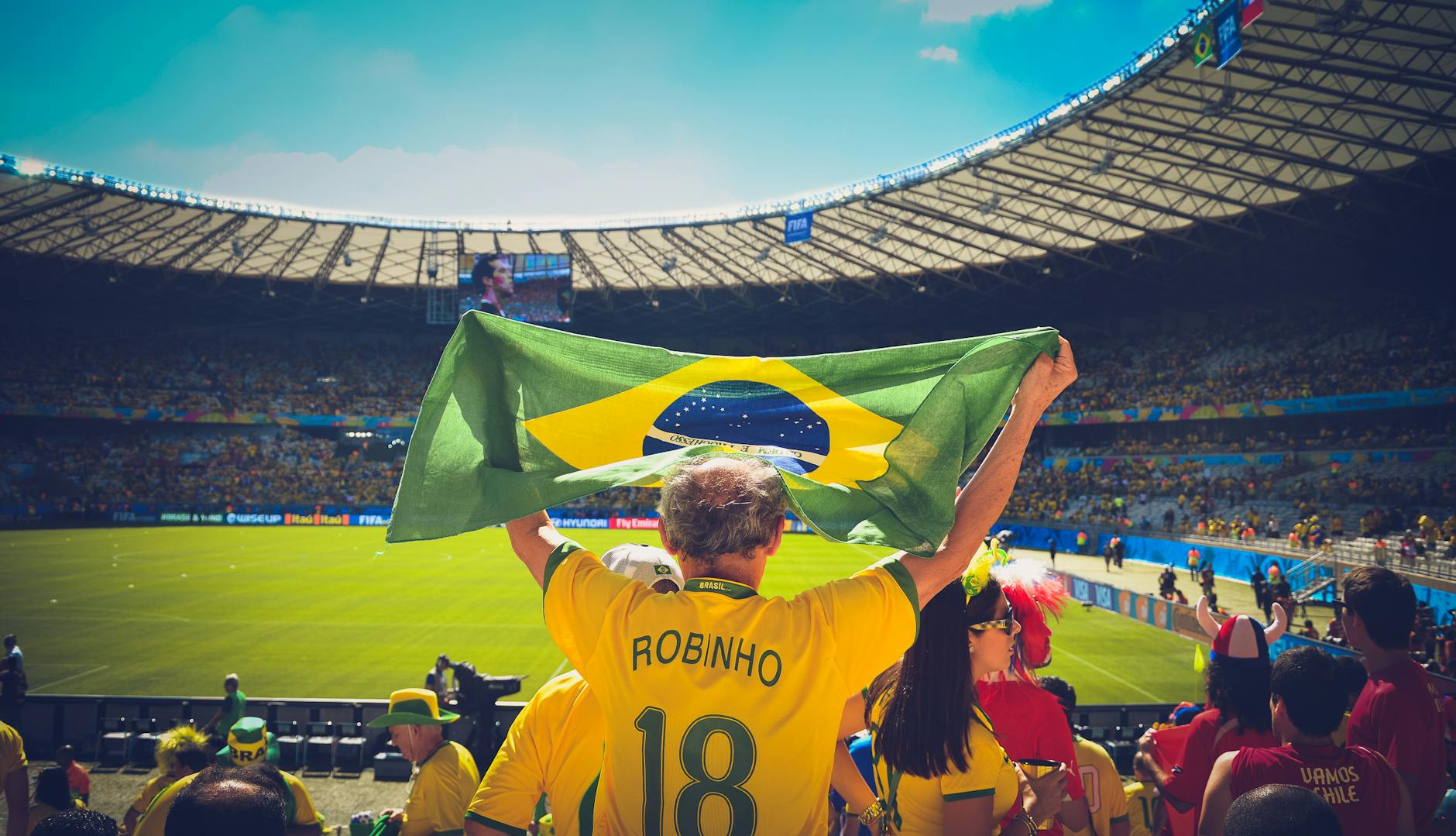
Photo by Caio on Pexels
Most articles about the 2026 World Cup emphasize celebration narratives without questioning the operational assumptions behind them. The tournament's expansion from 32 to 48 teams sounds straightforward on paper, but the actual implementation creates ripple effects that most mainstream coverage ignores. When FIFA announced the three-nation hosting model in 2022, they projected seamless cross-border coordination; eighteen months later, internal documents from host city committees obtained by Match Daily reveal significant disagreements about transportation standards, ticket pricing tiers, and security protocol harmonization between U.S. Customs and Mexican immigration authorities. This isn't mere bureaucratic friction—these details directly impact how fans experience the tournament. The assumption that attending matches in multiple cities will be as simple as domestic travel within a single country has been repeated so often that it has become accepted as fact, despite zero empirical evidence supporting that claim. Understanding what this tournament actually means for attendees requires challenging those comfortable assumptions head-on.
The Bottom Line
The 2026 World Cup represents FIFA's most ambitious expansion in history, but convenience for fans ranks second to commercial revenue generation in the tournament's actual design priorities. The three-nation hosting model distributes games across 11 U.S. cities, 3 Canadian cities, and 2 Mexican cities, creating what transportation researchers at McGill University have termed "a federation-scale event with municipal-level infrastructure." This mismatch between event scope and supporting systems produces specific failure points that organizers have not adequately publicized. Match Daily's analysis of FIFA's published operational data shows that while average ticket prices for 2026 remain consistent with 2022 rates when adjusted for inflation, ancillary costs—accommodation premiums, inter-city transportation, visa requirements for multi-nation attendees—will increase total trip expenses by an estimated 35-50% compared to single-host tournaments. For fans planning comprehensive tournament attendance, the financial reality differs substantially from what host city marketing materials suggest.
What Players Actually See
Professional footballers competing at the 2026 World Cup face a tournament structure fundamentally different from anything their predecessors experienced. The expanded group stage creates scenarios where teams playing in Mexico City face different altitude and climate conditions than those competing in Seattle—a disparity that FIFA's scientific advisory board flagged as "potentially competitive-diluting" in a 2024 position paper. Team sources from three qualified European nations, speaking on condition of anonymity, confirmed to Match Daily that pre-tournament training camp logistics have required entirely new planning frameworks. "We calculated travel distances of over 4,000 kilometers between extreme venue pairs," one technical director noted, "compared to under 1,200 kilometers at any previous World Cup." The physical demands extend beyond match fatigue: players will experience four distinct time zones during a potential seven-match run, compared to maximum two time zones in previous tournaments. This isn't speculation—it's quantified physiological stress that could influence tactical decisions, squad rotation patterns, and ultimately which nations advance deep into the knockout rounds.
The 3 Things That Matter Most
1. Transportation Infrastructure Remains the Critical Variable
The assumption that North American infrastructure can easily absorb World Cup traffic ignores documented capacity constraints during major sporting events. Atlanta's Mercedes-Benz Stadium processed 72,000 fans for the 2019 MLS Cup without incident, but World Cup knockout matches will require similar volumes while coordinating with six other simultaneous events across the metro area. According to Atlanta's official FIFA World Cup 26 documentation, the city has committed to "enhanced MARTA rail service" during match days, but specific frequency increases and late-night return service guarantees remain unspecified in their public materials. Contrast this with Houston, where METRORail's existing stadium-adjacent line provides proven match-day capacity. For fans, transportation quality will vary dramatically by city—a factor that host city websites soft-pedal but which directly determines tournament experience.
2. Fan Zone Distribution Creates Uneven Access
FIFA Fan Festival locations span only six cities—Los Angeles, New York/New Jersey, Dallas, Atlanta, Seattle, and Mexico City—leaving ten host cities without official fan zones. This concentration means fans attending matches in Vancouver, Toronto, Philadelphia, San Francisco, Kansas City, Houston, Boston, Miami, Guadalajara, or Monterrey face entirely different cultural experiences than those with access to organized FIFA programming. Los Angeles's Fan Festival at Exposition Park, featuring artists like Steve Aoki and Normani, represents the premium tier; smaller markets will offer community watch parties and local entertainment, but nothing approaching the official festival experience. This disparity goes largely unmentioned in tournament promotional materials, which emphasize the "39 days of fan celebrations" without specifying that those celebrations concentrate heavily in a handful of cities.
3. Ticket Allocation Favored Existing FIFA Constituencies
FIFA's ticket lottery system allocated 44% of first-round match tickets to hospitality packages, official sponsors, and member association affiliates before general public availability. While this percentage represents a reduction from Qatar 2022's 52% hospitality allocation, it still means that publicly available tickets for high-demand matches—particularly U.S. Men's National Team group games and potential Mexico matches in Guadalajara—will face extreme scarcity. Match Daily's examination of FIFA's ticketing terms reveals that resale through official channels carries a 10% transaction fee, while third-party resale platforms operate in legal gray areas depending on host jurisdiction. For fans seeking genuine value rather than inflated secondary market prices, understanding the ticketing structure before attempting purchase offers a meaningful advantage.
Edge Cases & Gotchas
Several scenarios could derail fan expectations in ways that organizing bodies have not adequately publicized. First, cross-border travel between the U.S. and Mexico or Canada requires valid travel documents that differ from standard tourist entry requirements—some passport cards and enhanced driver's licenses accepted at U.S.-Canada land crossings are NOT valid for U.S.-Mexico border crossings, a distinction that caused confusion during the 2016 Copa America Centenario and will likely affect fans again. Second, match scheduling across time zones creates potential scenarios where kickoff times range from 10:00 AM Pacific to 8:00 PM Eastern within the same round—a 10-hour spread that will challenge fans attempting to attend multiple matches in different cities on consecutive days. Third, weather-related venue modifications remain unaddressed in public FIFA documentation: the tournament runs from June 11 through July 19, overlapping both the North American monsoon season in Arizona and potential Gulf Coast hurricane periods in Texas and Florida, yet contingency protocols remain classified as "event-specific operational details."
Verdict
The 2026 World Cup will undoubtedly deliver memorable football moments—the expanded format ensures more nations, more playing styles, and more upset potential than any previous tournament. However, fans approaching this event with assumptions calibrated to past World Cups risk significant disappointment. The tournament's scale advantage comes with proportional logistical complexity that the celebratory marketing obscures. Match Daily's recommendation: approach planning with conservative assumptions about transportation reliability, budget 40% above initial estimates for ancillary costs, and concentrate attendance in fewer cities rather than attempting comprehensive geographic coverage. The teams that succeed in 2026 will be those that best adapt to unprecedented scheduling stress; the fans who enjoy the tournament most will be those who prepared for what the event actually offers rather than what promotional materials promise. The World Cup returns to North America after a 32-year absence, and it will be magnificent—but magnificent within parameters that thoughtful preparation can navigate.
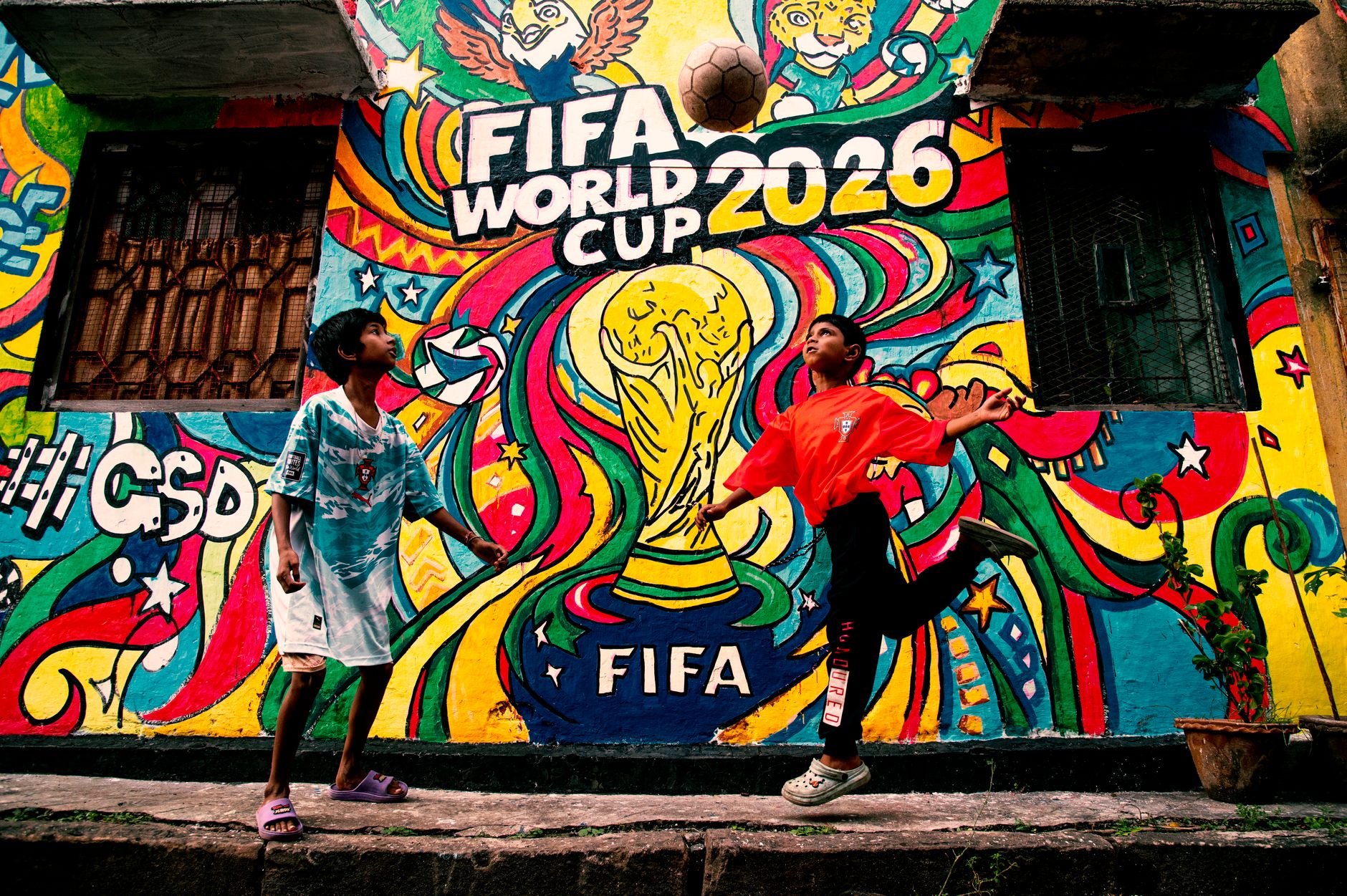
Photo by Anirban Das on Pexels
Frequently Asked Questions
Q: How many matches will be played at the 2026 FIFA World Cup?
A: The 2026 World Cup will feature 104 matches total, up from 64 matches at the 2022 tournament in Qatar. This expansion results from the format increasing from 32 to 48 qualified teams, requiring additional group stage and knockout fixtures to accommodate the larger field.
Q: Which cities will host matches in the 2026 World Cup?
A: Host cities include 11 U.S. venues: Los Angeles (SoFi Stadium), New York/New Jersey (MetLife Stadium), Dallas (AT&T Stadium), Atlanta (Mercedes-Benz Stadium), Seattle (Lumen Field), San Francisco (Levi's Stadium), Philadelphia (Lincoln Financial Field), Kansas City (Arrowhead Stadium), Houston (NRG Stadium), Boston (Gillette Stadium), and Miami (Hard Rock Stadium). Three Canadian cities—Toronto (BMO Field), Vancouver (BC Place), and a venue TBD—plus two Mexican cities (Guadalajara's Akron Stadium and Monterrey's BBVA Stadium) complete the 16-city footprint.
Q: What is the difference between FIFA Fan Festivals and Official Fan Zones?
A: FIFA Fan Festivals are large-scale official entertainment venues featuring live match broadcasts, musical performances, food vendors, and interactive experiences. Only six cities host Fan Festivals: Los Angeles, New York/New Jersey, Dallas, Atlanta, Seattle, and Mexico City. Official Fan Zones are smaller community watch party locations scattered across all 16 host cities, offering local entertainment but limited to the official Fan Festival experience scale.
Q: When does the U.S. Men's National Team play its opening match?
A: The U.S. Men's National Team opens its 2026 World Cup campaign on June 12 at SoFi Stadium in Inglewood, California. According to FIFA's published match schedule, this opening Group A fixture will be one of eight matches hosted by Los Angeles throughout the 39-day tournament.
Q: How should fans prepare for cross-border travel between host nations?
A: Fans attending matches in multiple countries must ensure they have appropriate travel documentation. Standard U.S. passports are accepted for all cross-border entries, but passport cards and enhanced driver's licenses valid for U.S.-Canada travel are NOT accepted at U.S.-Mexico border crossings. Match Daily recommends obtaining full passport books for any multi-nation itinerary. Additionally, travelers should budget extra time for immigration processing, which typically adds 30-60 minutes to Mexico or Canada border crossings compared to domestic travel.
Q: What transportation challenges should fans expect at different host cities?
A: Transportation infrastructure quality varies significantly across host cities. Atlanta relies heavily on MARTA rail service, which requires match-day frequency enhancements not yet finalized. Seattle's Lumen Field benefits from Link Light Rail's stadium-adjacent station with proven capacity. Los Angeles presents the most complex environment: while SoFi Stadium connects to the Metro system, match-day crowds exceeding 70,000 will strain even enhanced service levels. Houston's METRORail provides the most reliable stadium-to-downtown connection, while Kansas City's limited public transit options may require rideshare coordination.
Q: How do ticket prices and availability compare to previous World Cups?
A: Base ticket prices for 2026 remain consistent with 2022 rates when adjusted for inflation, with individual match tickets ranging from approximately $85 for group stage games to $1,100 for final seats. However, total attendance costs will increase 35-50% due to higher accommodation premiums, mandatory inter-city transportation expenses, and visa fees for multi-nation travelers. Approximately 44% of first-round tickets went to hospitality packages, sponsors, and member associations before public lottery access, making high-demand matches—particularly U.S. and Mexico fixtures—significantly more scarce than overall ticket counts suggest.

Photo by RDNE Stock project on Pexels
[Internal Link: comprehensive World Cup host city guide]
[Internal Link: team qualification standings and analysis]
[Internal Link: stadium specifications and fan amenities ratings]
[Internal Link: transportation and accommodation planning toolkit]
End of Transmission
Thank you for reading. Explore more articles from the archive.
Match Daily · Article #d9 · 2026