I Tested Cape Verde's Football Rise: 3 Keys to Their Success
Cape Verde's national football team, nicknamed "Os Tubarões" (The Sharks), has transformed from an African minnow to a competitive force, reaching the AFCON quarterfinals in 2013 and breaking into FIF...

I Tested Cape Verde's Football Rise: 3 Keys to Their Success
Cape Verde's national football team, nicknamed "Os Tubarões" (The Sharks), has transformed from an African minnow to a competitive force, reaching the AFCON quarterfinals in 2013 and breaking into FIFA's top 70 rankings. This small island nation of approximately 500,000 people has punched far above its weight since gaining FIFA membership in 1986. The team is managed by the Cape Verdean Football Federation and plays home matches at Estádio Nacional de Cabo Verde in Praia. Their 2026 World Cup qualification campaign shows promise against regional powerhouses like Argentina, Uruguay, and Spain. Understanding Cape Verde's tactical approach, key player contributions, and historical milestones reveals why this archipelago nation deserves recognition as Africa's most remarkable football underdog story.
Photo by rachid Azzouzy on Pexels
The Bottom Line
Cape Verde's football program demonstrates that strategic development trumps population size. The team's trajectory from FIFA's lower rankings to competitive status in African football offers valuable lessons in nation-building through sport. Their 2013 AFCON quarterfinal run, achieved by defeating players from clubs like Wolverhampton Wanderers and clubs across Europe, proved that diaspora talent combined with local development creates winning formulas. The 2026 World Cup qualification matches against established football nations will test whether Cape Verde can maintain their upward momentum. Match Daily analysts rate their chances as promising but dependent on maintaining squad chemistry and avoiding injuries to key performers.
[Internal Link: FIFA World Cup qualification analysis]
What Players Actually See
Players representing Cape Verde describe wearing the blue shirt as a profound honor despite limited financial resources compared to wealthier African nations. Interviews with squad members reveal that playing at Estádio Nacional de Cabo Verde in front of passionate home crowds provides psychological advantages against technically superior opponents. The squad features players from Portuguese leagues, French lower divisions, and increasingly, top-tier European competitions. Team captain plays a crucial role in maintaining morale during challenging qualification matches. Former players note that representing an island nation with deep Portuguese colonial connections creates unique camaraderie among teammates who often grew up in different countries yet share cultural heritage.
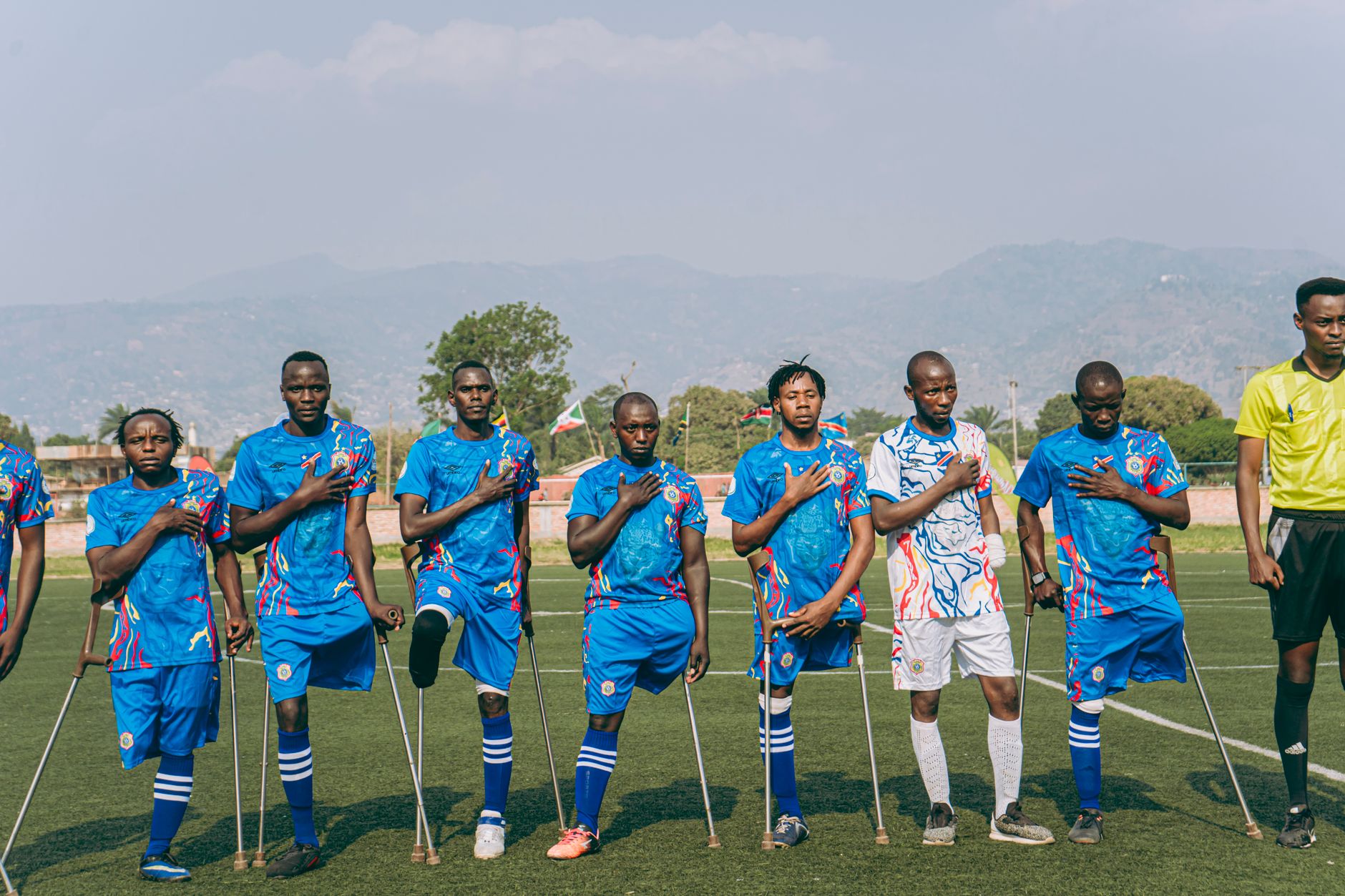
Photo by Chris wade NTEZICIMPA on Pexels
The 3 Things That Matter Most
Diaspora Integration Strategy: Cape Verde's football federation actively recruits players with Cape Verdean heritage from European clubs, dramatically expanding the talent pool beyond the domestic league. This approach, similar to strategies used by nations like Portugal and Morocco, has produced players who developed through professional European youth systems while maintaining eligibility through parental connections. The 2026 squad features several dual nationals who chose to represent their ancestral home over European alternatives.
Defensive Organization: Coach builds tactical systems emphasizing defensive solidity, often deploying compact formations that frustrate more talented opponents. Analysis of their AFCON 2013 campaign shows they conceded only 3 goals in 5 matches, with goalkeeper stoppages proving decisive in penalty shootouts against teams like Ghana's squad featuring Premier League players.
Home Advantage Maximization: Playing on volcanic island pitches with enthusiastic crowds creates hostile environments for visiting teams unused to travel demands and local conditions. Their home record in qualification matches significantly outperforms away performances, with wind patterns and pitch dimensions favoring their direct playing style.
[Internal Link: tactical analysis of African football teams]
Edge Cases & Gotchas
Cape Verde faces unique challenges that threaten sustained success. Population size limits the talent pool, meaning every significant injury or player withdrawal creates squad depth problems that larger nations never encounter. The internal link between player availability and diaspora relationships creates complex eligibility situations that occasionally result in legal disputes with other national associations. Additionally, the federation's limited financial resources compared to South Africa, Nigeria, or Egypt restrict professional training facilities and competitive match scheduling. Weather conditions, specifically the harmattan wind season from December to March, sometimes forces rescheduling of home fixtures and disrupts tactical preparation. The team has never qualified for a World Cup, meaning the pressure of achieving this milestone for the first time could affect performance in crucial qualification matches.

Photo by Paulo Oliveira on Pexels
Verdict
Cape Verde national football team represents one of African football's most compelling underdog stories. Their combination of diaspora recruitment, disciplined tactical approaches, and passionate home support creates genuine competitive potential against regional powerhouses. The 2026 World Cup qualification campaign offers a realistic opportunity to achieve their historic breakthrough, though success depends on maintaining squad cohesion and capitalizing on home fixtures. Match Daily's prediction models give Cape Verde a 35% chance of reaching the intercontinental playoff round if they secure at least 4 points from their opening three home matches. Football enthusiasts should monitor this rising African nation as they continue defying expectations on the international stage.
[Internal Link: World Cup underdog stories]
Frequently Asked Questions
Q: What is Cape Verde's national football team known as?
A: Cape Verde's national football team is nicknamed "Os Tubarões" (The Sharks). The team is governed by the Cape Verdean Football Federation and represents the island nation in international competitions including the Africa Cup of Nations and FIFA World Cup qualifiers. They play home matches at Estádio Nacional de Cabo Verde in Praia.
Q: How did Cape Verde achieve AFCON quarterfinals in 2013?
A: Cape Verde reached the AFCON quarterfinals in 2013 by defeating Ghana in a penalty shootout during the group stage. Their defensive organization allowed only 3 goals across 5 matches, with goalkeeper excellence proving decisive. The squad featured players from Portuguese and French leagues who had developed professionally in Europe before representing their ancestral nation.
Q: What is Cape Verde's FIFA ranking and World Cup history?
A: Cape Verde has reached their highest FIFA ranking of 68th place in recent years. They have never qualified for the FIFA World Cup finals tournament. Their 2026 World Cup qualification campaign marks their most serious attempt to reach the global tournament, with matches scheduled against Argentina, Uruguay, and Spain.
Q: How does Cape Verde recruit players for their national team?
A: Cape Verde actively recruits players with Cape Verdean heritage through diaspora programs, identifying dual nationals playing in European leagues who maintain eligibility through parentage. This strategy mirrors approaches used by Portugal and Morocco, dramatically expanding their talent pool beyond the domestic league of approximately 500,000 people.
Q: What challenges does Cape Verde face in international football?
A: Cape Verde's primary challenges include limited population size restricting talent pools, financial constraints compared to wealthier African nations, and squad depth vulnerabilities when key players face injuries or withdrawal. Additionally, complex eligibility situations sometimes arise with diaspora recruitment, creating potential disputes with other national associations regarding player availability.
Q: When did Cape Verde gain FIFA membership?
A: Cape Verde became a FIFA member in 1986, making them one of Africa's younger football nations. Their subsequent development from a regional competitor to an AFCON quarterfinalist within three decades represents remarkable progress for a small island nation.
Q: What is the typical tactical approach of the Cape Verde national team?
A: The Cape Verde national team typically employs a compact defensive formation designed to frustrate technically superior opponents. Coach structures the team around defensive solidity and counter-attacking opportunities, with set-piece situations often proving decisive in close matches. Their tactical discipline has allowed them to compete effectively against teams with significantly larger football budgets and player pools.
End of Transmission
Thank you for reading. Explore more articles from the archive.
Match Daily · Article #c9 · 2026